


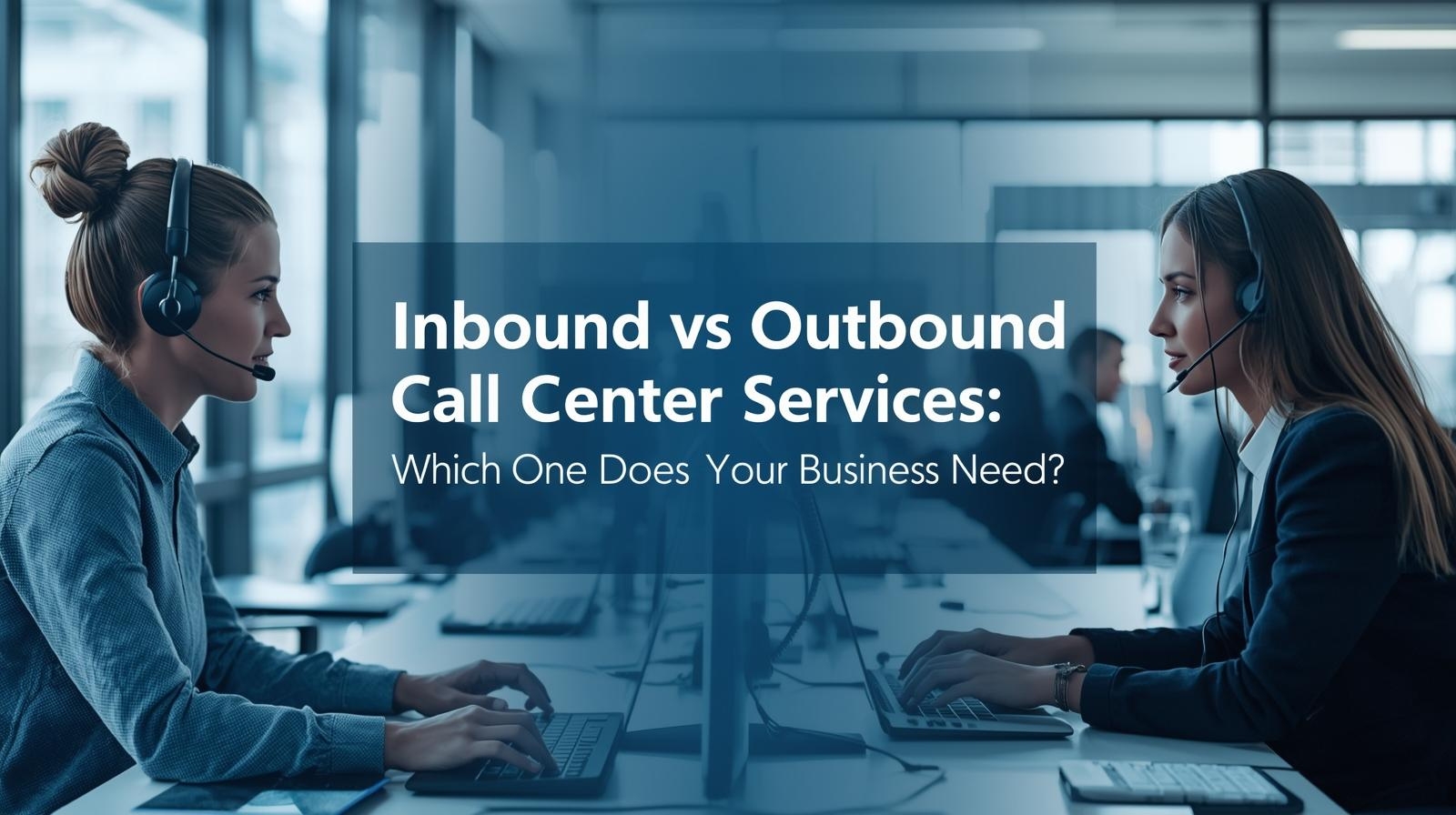
Choosing between service models is the difference between catching a falling lead and hunting a new one. To decide which is right for you, look at your primary objective: if you need to resolve customer issues and process orders, you need Inbound Call Center Services; if you need to generate leads and conduct market research, you need Outbound Call Center Services.
Scaling a business globally requires a robust communication infrastructure. Many organizations leverage a Worldwide Call Center strategy to maintain 24/7 availability across different time zones, ensuring that no lead or support ticket goes unanswered. This high-level coordination allows brands to maintain a local feel while operating on a global scale.
When evaluating your operational needs, it is vital to understand that Inbound Call Center Services focus primarily on the customer experience and reactive support. Conversely, Outbound Call Center Services are proactive, driving revenue through direct engagement and data-driven outreach. Identifying which side of this coin your business falls on—or if you require a hybrid approach—is the first step toward optimizing your ROI.
What are the Core Differences Between Inbound and Outbound Services?
While both models facilitate communication, their KPIs and internal workflows differ significantly based on the direction of the interaction. Most organizations seeking a Worldwide Call Center strategy look for a partner that can balance these two distinct approaches. Inbound centers prioritize “First Call Resolution” (FCR), whereas outbound centers focus on “Conversion Rates” and “Contact Rates.”
Comparison of Operational Focus
| Feature | Inbound Services | Outbound Services |
| Primary Trigger | Customer initiates the call | Agent initiates the call |
| Main Objective | Support, troubleshooting, order entry | Sales, surveys, debt collection |
| Key Metric | Average Handle Time (AHT) | Conversion Rate / Close Rate |
| Agent Skillset | Empathy, problem-solving, patience | Persuasion, resilience, product knowledge |
When Should You Prioritize Inbound Call Center Services?
Businesses with a high volume of existing customers or complex products usually find that inbound support is their lifeline. Research indicates that 67% of customer churn is preventable if the customer’s issue is resolved during their first interaction.
Support and Technical Help Desk
If your product requires setup or troubleshooting, an inbound team acts as your front-line defense. High-performing centers utilize omnichannel integration, allowing agents to see a customer’s history across email, chat, and voice, which reduces friction.
Order Processing and Billing
For e-commerce and SaaS companies, inbound agents handle the “bottom of the funnel” transactions. They assist users who are ready to buy but have one final question about shipping or subscription tiers.
Crisis Management
In industries like finance or healthcare, the ability to handle surges in call volume during service outages or policy changes is critical. A structured inbound team ensures compliance and maintains brand trust during high-stress periods.
How Do Outbound Call Center Services Drive Business Growth?
Outbound operations are the engine of proactive revenue. Instead of waiting for the phone to ring, your team reaches out to pre-qualified prospects or existing clients to expand the business footprint.
Lead Generation and Cold Calling
B2B companies often rely on outbound teams to set appointments for their high-level sales executives. By filtering out uninterested leads, the call center ensures that the internal sales team only spends time on “warm” opportunities.
Market Research and Feedback Loops
Data is the currency of the modern market. Outbound agents conduct high-volume surveys to gather real-world insights into customer sentiment. This data often informs product development and marketing pivots.
Customer Retention and Win-Back Campaigns
It is five times more expensive to acquire a new customer than to retain an existing one. Outbound teams can target “at-risk” customers—those whose subscriptions are about to lapse—with personalized offers to keep them in the ecosystem.
The Strategic Advantage of a Worldwide Call Center
Operating a Worldwide Call Center allows a business to bypass geographical limitations. By utilizing “Follow-the-Sun” support models, companies can provide instantaneous responses regardless of the caller’s location.
-
Geographic Flexibility: Employing agents in various regions helps navigate local language nuances and cultural expectations.
-
Business Continuity: If one region faces a natural disaster or technical failure, calls are seamlessly rerouted to another global hub.
-
Scalability: A global footprint makes it easier to ramp up staffing during seasonal peaks, such as Black Friday or tax season.
Decision Matrix: Which Model Fits Your Current Stage?
To determine your path, evaluate your current “pain points” against the solutions provided by each model.
Use Case Scenarios
-
“Our customers are complaining about long wait times.”
-
Solution: Scale your Inbound Services.
-
-
“Our sales pipeline has dried up, and our reps have no one to talk to.”
-
Solution: Implement an Outbound Service for lead qualification.
-
-
“We are launching in Europe and Asia next month.”
-
Solution: Partner with a provider capable of a global reach.
-
Maximizing ROI Through Hybrid Solutions
Many modern enterprises do not choose one over the other; they utilize a blended agent model. This approach allows agents to switch between inbound and outbound tasks based on real-time traffic. During low-volume inbound periods, agents can perform outbound follow-ups, ensuring that productivity remains high throughout the shift.
Frequently Asked Questions (FAQs)
1. Can a single call center handle both inbound and outbound calls?
Yes, this is known as a “Blended Call Center.” Sophisticated software automatically routes incoming calls to available agents and assigns outbound tasks when call volumes are low, maximizing efficiency.
2. What is the most important metric for inbound services?
First Call Resolution (FCR) is generally considered the “gold standard.” It measures the percentage of customers whose issues are resolved without needing a follow-up, which correlates directly with customer satisfaction.
3. Is outbound calling still effective for B2B sales?
Absolutely. While digital marketing is vital, direct human interaction remains the most effective way to navigate complex B2B decision-making hierarchies and build the trust necessary for high-ticket contracts.
4. How does a worldwide call center manage data security?
Reputable global providers adhere to international standards such as GDPR, SOC2, and PCI-DSS. They use encrypted connections and strictly monitored workstations to ensure customer data remains protected across borders.
5. What technology is essential for a modern call center?
A robust CRM (Customer Relationship Management) system, Interactive Voice Response (IVR), and AI-driven analytics are essential. These tools help predict call volumes and provide agents with the context needed to personalize every interaction.