


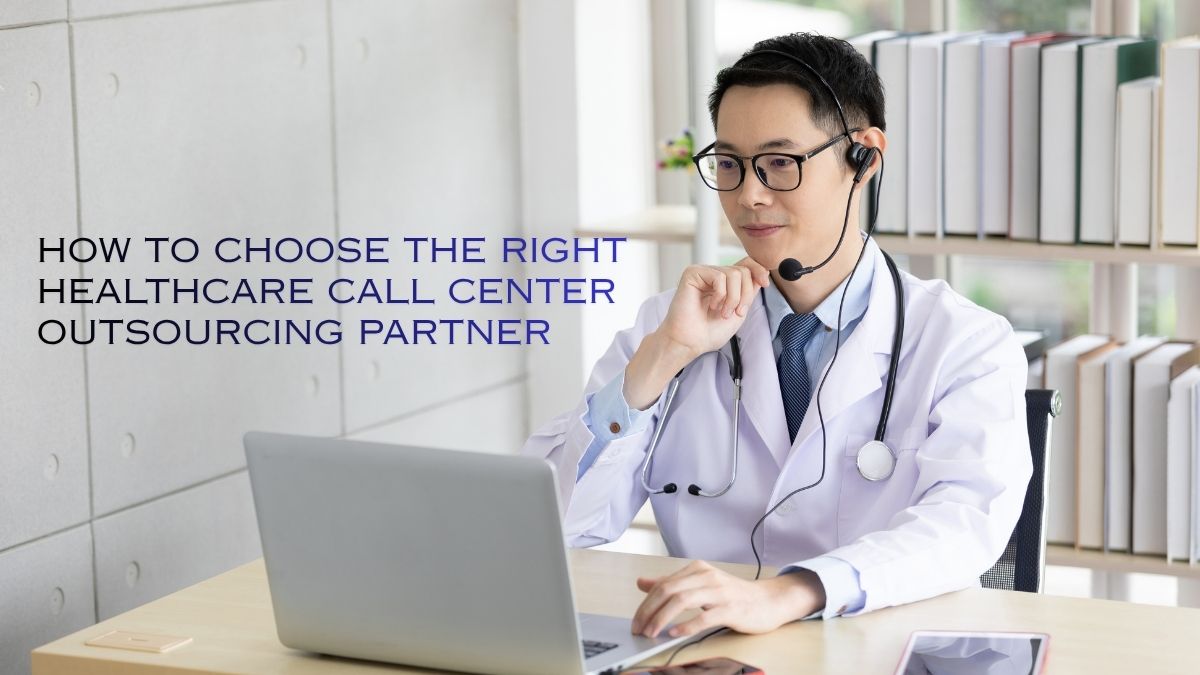
Healthcare organizations cannot afford poor patient communication. Delayed responses, missed appointments, and inconsistent support often reduce patient satisfaction and increase administrative pressure. Therefore, choosing the right partner for Healthcare call center outsourcing directly affects patient retention, operational efficiency, and compliance performance.
According to the U.S. Centers for Medicare & Medicaid Services (CMS), patient experience remains a major quality benchmark for healthcare providers. At the same time, the American Hospital Association reports that administrative workload continues to rise across hospitals and medical practices. As a result, healthcare providers increasingly rely on specialized support partners that understand HIPAA compliance, patient engagement workflows, appointment management, and omnichannel communication.
However, not every outsourcing provider delivers the same level of expertise. Some focus only on call handling, while others offer advanced patient communication systems, multilingual support, analytics, and integrated healthcare workflows. Therefore, healthcare organizations must evaluate operational fit, compliance readiness, and scalability before signing any partnership agreement.
This guide explains exactly how to select the right Healthcare call center outsourcing provider while avoiding common operational risks. It also helps healthcare leaders understand what separates a generic vendor from a long-term strategic healthcare support partner.
Why Does Choosing the Right Outsourcing Partner Matter?
A healthcare call center directly influences patient trust. Every interaction shapes the patient experience, from appointment scheduling to insurance verification and post-discharge follow-ups.
Healthcare consumers now expect faster communication and personalized service. According to a 2024 report from the American Medical Association, over 70% of patients prefer healthcare providers that offer responsive and convenient communication channels.
Moreover, healthcare providers face increasing pressure to:
- Reduce appointment no-shows
- Improve patient engagement
- Handle higher call volumes
- Maintain HIPAA compliance
- Support multilingual patients
- Reduce staff burnout
Because of these challenges, many organizations choose to outsource healthcare call center operations to specialized healthcare BPO providers with industry-specific experience.
What Should You Look for in a Healthcare Call Center Partner?
The best outsourcing providers combine healthcare expertise, compliance readiness, and operational scalability. Instead of evaluating only call handling capacity, healthcare organizations should assess long-term strategic alignment.
Does the Provider Have Healthcare-Specific Experience?
Healthcare communication differs significantly from retail or general customer service. Agents must understand medical terminology, patient privacy requirements, appointment workflows, and insurance-related communication.
An experienced healthcare outsourcing provider typically supports:
| Healthcare Function | Why It Matters |
|---|---|
| Appointment Scheduling | Reduces patient wait times |
| Insurance Verification | Improves administrative efficiency |
| Prescription Refill Coordination | Enhances patient convenience |
| Nurse Triage Support | Improves patient guidance |
| After-Hours Answering Services | Ensures 24/7 accessibility |
| Patient Follow-Up Calls | Increases treatment adherence |
Organizations should also ask for healthcare case studies, workflow examples, and operational references from hospitals, clinics, or physician groups.
Why Is HIPAA Compliance Non-Negotiable?
Healthcare communication involves protected health information (PHI). Therefore, outsourcing partners must maintain strict data protection standards.
According to the U.S. Department of Health & Human Services, healthcare data breaches continue to rise annually, making compliance oversight essential.
Healthcare providers should verify whether the vendor offers:
- HIPAA-trained agents
- Secure cloud infrastructure
- Encrypted communication systems
- Access control protocols
- Audit-ready reporting
- Business Associate Agreements (BAAs)
Additionally, organizations should review whether the provider follows cybersecurity best practices aligned with the official HIPAA Security Rule guidance.
Questions to Ask About Compliance
How frequently does the provider conduct compliance training?
Frequent training helps agents stay updated on privacy regulations and healthcare communication standards.
Does the provider monitor calls for compliance risks?
Ongoing quality assurance reduces the likelihood of patient data mishandling.
Can the provider support disaster recovery operations?
Healthcare communication must continue during outages, emergencies, or cyber incidents.
How Important Is Omnichannel Patient Support?
Modern patients communicate through multiple channels, not just phone calls.
A strong healthcare contact center partner should support:
- Voice support
- Live chat
- Email assistance
- SMS reminders
- Patient portal support
- Multilingual communication
Research from Gartner shows that healthcare organizations using omnichannel communication strategies improve patient satisfaction scores significantly compared to single-channel systems.
Furthermore, omnichannel support improves operational continuity because patients can move between channels without repeating information.
Should the Provider Integrate With Existing Healthcare Systems?
Yes. Integration capabilities significantly impact operational efficiency.
Healthcare providers should confirm whether the outsourcing partner can integrate with:
| System Type | Operational Benefit |
|---|---|
| Electronic Health Records (EHR) | Faster patient verification |
| CRM Platforms | Improved patient history tracking |
| Scheduling Systems | Reduced appointment conflicts |
| Telehealth Platforms | Better virtual care coordination |
| Billing Systems | Faster claims communication |
Without integration, administrative teams often face duplicate workflows and fragmented communication.
How Does Scalability Affect Long-Term Performance?
Healthcare demand fluctuates throughout the year. Seasonal illnesses, public health events, and provider shortages often increase call volumes unexpectedly.
Therefore, the right Healthcare call center outsourcing provider must scale operations quickly without reducing service quality.
Signs of Strong Scalability
- 24/7 support availability
- Flexible staffing models
- Multisite operational coverage
- Remote workforce capability
- AI-assisted call routing
- Workforce management tools
For example, healthcare systems in high-population regions such as Texas, California, and Florida often experience large patient communication surges during flu seasons and public health emergencies.
A scalable provider maintains service continuity even during unexpected demand spikes.
Why Does Reporting and Analytics Matter?
Healthcare leaders need measurable operational visibility.
A reliable outsourcing partner should provide detailed reporting dashboards that track:
- Average response time
- First-call resolution
- Appointment conversion rates
- Patient satisfaction scores
- Abandonment rates
- Compliance monitoring
According to McKinsey research, healthcare organizations using advanced operational analytics improve patient communication efficiency substantially compared to traditional manual reporting systems.
Key Metrics Healthcare Providers Should Monitor
| KPI | Importance |
|---|---|
| First Call Resolution | Measures service effectiveness |
| Average Handle Time | Tracks operational efficiency |
| Patient Satisfaction Score | Evaluates patient experience |
| Call Abandonment Rate | Identifies staffing gaps |
| Appointment Conversion Rate | Measures scheduling performance |
These insights help healthcare organizations optimize patient communication strategies continuously.
What Red Flags Should Healthcare Providers Avoid?
Not every vendor specializes in healthcare operations. Therefore, organizations should identify warning signs early during the evaluation process.
Common Warning Signs
Lack of Healthcare References
Providers without healthcare-specific clients may struggle with compliance and patient workflows.
Generic Training Programs
Healthcare agents require specialized onboarding beyond standard customer support training.
Limited Compliance Transparency
Vendors should openly discuss HIPAA safeguards and security protocols.
No Disaster Recovery Planning
Healthcare communication cannot stop during emergencies.
Weak Workforce Retention
High turnover often leads to inconsistent patient experiences.
How Can You Evaluate Service Quality Before Signing?
Healthcare organizations should conduct a structured vendor assessment process before finalizing a partnership.
Recommended Evaluation Process
- Review healthcare experience
- Assess HIPAA compliance readiness
- Test communication responsiveness
- Evaluate reporting capabilities
- Verify technology integration
- Analyze scalability models
- Request pilot program support
- Check operational references
Additionally, decision-makers should involve compliance teams, IT leaders, and patient experience managers during vendor selection.
How Does Geographic Support Influence Patient Experience?
Location-aware support improves healthcare accessibility.
Healthcare providers serving diverse U.S. populations often require:
- Spanish-speaking agents
- Regional healthcare knowledge
- Time-zone coverage
- Localized patient communication
For example, providers operating across New York, California, Florida, and Texas frequently require multilingual support due to population diversity.
This GEO-focused approach improves patient engagement and communication accuracy.
Can AI Improve Healthcare Call Center Operations?
AI tools now support healthcare communication workflows effectively when used alongside trained human agents.
Modern healthcare call centers use AI for:
- Intelligent call routing
- Appointment reminders
- Predictive staffing
- Sentiment analysis
- Self-service automation
- Basic patient FAQs
However, human oversight remains essential for sensitive healthcare conversations.
According to Accenture, AI-assisted healthcare operations can improve workflow efficiency while reducing administrative burdens for clinical staff.
What Makes a Long-Term Outsourcing Partnership Successful?
Long-term success depends on strategic alignment rather than transactional support.
The strongest healthcare outsourcing partnerships focus on:
- Patient satisfaction improvement
- Compliance consistency
- Operational transparency
- Workflow optimization
- Continuous training
- Technology modernization
Organizations that successfully outsource healthcare call center operations usually treat outsourcing providers as operational extensions instead of temporary vendors.
Moreover, healthcare systems should establish clear communication channels and quarterly performance reviews to maintain alignment.
Final Thoughts
Selecting the right Healthcare call center outsourcing partner requires careful evaluation of compliance, healthcare expertise, scalability, analytics, and patient engagement capabilities.
Healthcare organizations should prioritize vendors with proven healthcare experience, strong HIPAA safeguards, omnichannel communication systems, and integration-ready infrastructure.
Most importantly, the right outsourcing partner improves patient satisfaction while reducing operational complexity. In today’s healthcare environment, communication quality directly affects both patient loyalty and organizational performance.
FAQs
What is healthcare call center outsourcing?
Healthcare call center outsourcing refers to partnering with a specialized external provider to manage patient communication services such as appointment scheduling, billing inquiries, patient support, and after-hours assistance.
Why do healthcare providers outsource patient support operations?
Healthcare providers outsource support operations to improve patient communication, reduce administrative workload, enhance scalability, and maintain consistent service availability.
How do healthcare outsourcing providers maintain HIPAA compliance?
Most providers use encrypted systems, HIPAA-trained agents, secure infrastructure, access controls, and compliance monitoring to protect patient information.
What services do healthcare call centers typically provide?
Healthcare call centers often handle appointment scheduling, insurance verification, patient reminders, prescription coordination, telehealth support, and multilingual patient communication.
How can healthcare organizations evaluate outsourcing providers?
Organizations should assess healthcare experience, compliance readiness, technology integration, reporting capabilities, scalability, workforce quality, and operational references.
Is omnichannel communication important in healthcare support?
Yes. Omnichannel communication improves patient convenience by allowing support through phone, chat, email, SMS, and patient portals.
What technologies improve healthcare call center performance?
AI-assisted routing, cloud telephony, analytics dashboards, CRM integration, EHR connectivity, and workforce management tools improve operational performance.