


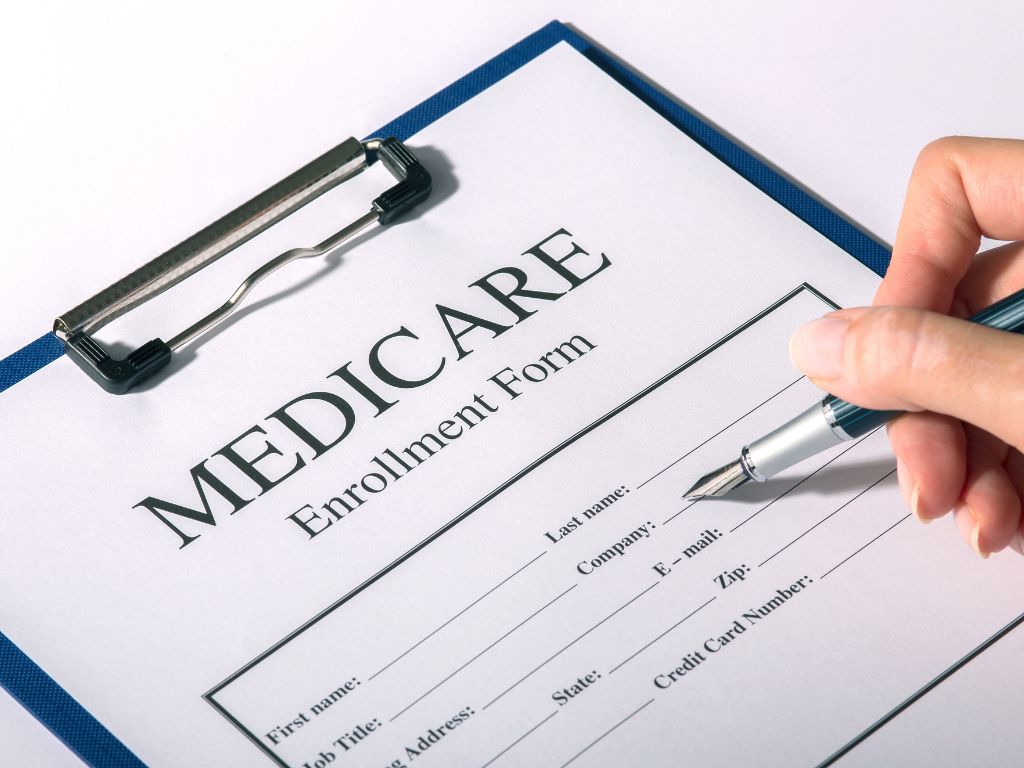
Medicare enrollment is a critical process for healthcare providers aiming to expand patient access and improve care delivery. However, increasing enrollment numbers is not just about offering quality healthcare services—it also depends on how effectively providers communicate with Medicare beneficiaries throughout the enrollment journey. Long wait times, complex eligibility requirements, and limited administrative resources can make the process overwhelming for both patients and providers.
An expert Healthcare Contact Center bridges this gap by providing personalized support, timely communication, and efficient enrollment assistance. Equipped with trained healthcare professionals, advanced communication tools, and HIPAA-compliant processes, these specialized contact centers help providers simplify Medicare enrollments while improving the overall patient experience. In this article, we’ll explore why a healthcare contact center is essential, how it improves enrollment outcomes, and the features providers should consider when choosing the right solution.
Why Medicare Enrollments Are Becoming More Challenging
As the Medicare population continues to grow, healthcare providers face increasing pressure to deliver fast, accurate, and patient-focused enrollment support. Managing these responsibilities with limited internal resources can create bottlenecks that affect both operational efficiency and patient satisfaction.
Increasing Number of Medicare Beneficiaries
Every year, more individuals become eligible for Medicare, increasing the demand for enrollment assistance. This growing population means providers receive higher volumes of inquiries related to eligibility, documentation, coverage options, and appointment scheduling. Without a structured support system, managing these requests can become time-consuming and inefficient.
Complex Enrollment Requirements
Medicare enrollment involves multiple steps, including eligibility verification, documentation review, enrollment deadlines, and plan selection. Patients often have questions about these requirements, and providing accurate answers requires both healthcare knowledge and effective communication skills.
Rising Patient Expectations
Today’s patients expect quick responses and personalized service across multiple communication channels. Delayed responses or inconsistent information can discourage eligible beneficiaries from completing the enrollment process, ultimately affecting provider growth.
What Makes an Expert Healthcare Contact Center Different?
Not every contact center is equipped to support healthcare organizations. An expert Healthcare Contact Center combines healthcare knowledge, compliance, and technology to deliver a seamless patient experience.
Healthcare-Trained Support Teams
Healthcare communication requires more than general customer service skills. Agents should understand Medicare terminology, enrollment procedures, insurance verification, and patient privacy regulations. This expertise allows them to answer questions accurately while guiding beneficiaries through every stage of enrollment.
HIPAA-Compliant Communication
Protecting patient information is essential. A healthcare contact center follows strict HIPAA-compliant procedures to ensure sensitive medical and personal information remains secure during every interaction.
Omnichannel Patient Support
Patients prefer different communication methods depending on their needs. An expert healthcare contact center provides support through phone calls, emails, SMS, and live chat, ensuring patients can connect using their preferred channel.
Technology-Driven Workflows
Modern contact centers integrate CRM platforms, automated reminders, intelligent call routing, and real-time reporting to improve efficiency. These technologies reduce response times while helping agents provide more personalized support.
How a Healthcare Contact Center Helps Boost Medicare Enrollments
A specialized Healthcare Contact Center improves enrollment performance by making the process simpler, faster, and more patient-focused.
Faster Response to Patient Inquiries
One of the primary reasons providers lose enrollment opportunities is delayed communication. During busy enrollment periods, patients may experience long wait times or unanswered calls. Dedicated contact center teams ensure every inquiry receives prompt attention, increasing the likelihood that patients complete their enrollment.
Personalized Enrollment Guidance
Every Medicare beneficiary has unique healthcare needs. Contact center representatives provide one-on-one assistance by explaining eligibility requirements, required documentation, enrollment timelines, and available healthcare options. Personalized guidance helps patients make informed decisions with confidence.
Accurate Insurance Verification
Verifying patient eligibility before enrollment reduces administrative delays and prevents unnecessary complications later in the process. Experienced agents ensure information is accurate before moving patients to the next stage.
Proactive Follow-Up Campaigns
Many patients begin the enrollment process but fail to complete it due to unanswered questions or missed deadlines. Proactive follow-up through phone calls, emails, and SMS reminders helps providers reconnect with eligible beneficiaries and improve enrollment completion rates.
Key Benefits for Healthcare Providers
Partnering with an expert Healthcare Contact Center provides significant operational and patient care advantages.
- Higher Medicare enrollment rates through dedicated patient support.
- Reduced administrative workload, allowing clinical staff to focus on patient care.
- Improved patient satisfaction with faster, more personalized communication.
- Better productivity by streamlining routine enrollment tasks.
- Scalable support during peak enrollment seasons without increasing internal staffing.
- Enhanced reporting and performance tracking to identify opportunities for continuous improvement.
Essential Features to Look for in a Healthcare Contact Center
Choosing the right healthcare contact center can significantly impact enrollment success. Providers should evaluate potential partners based on several key capabilities:
- Healthcare-trained support specialists.
- HIPAA-compliant security protocols.
- Omnichannel communication options.
- CRM and electronic health record integration.
- Real-time reporting and performance analytics.
- Flexible staffing for seasonal enrollment increases.
- Quality assurance and ongoing agent training.
- Strong experience supporting Medicare enrollment processes.
Best Practices for Improving Medicare Enrollment Success
Healthcare providers can strengthen their enrollment strategy by adopting a patient-first approach. Responding quickly to inquiries, verifying eligibility early, maintaining regular follow-up communication, and monitoring patient satisfaction all contribute to better enrollment outcomes.
Equally important is partnering with experienced professionals who understand healthcare communication and Medicare requirements. By combining knowledgeable support teams with efficient technology, providers can create a smoother enrollment experience that benefits both patients and administrative staff.
Conclusion
As Medicare enrollment continues to grow in complexity, healthcare providers need efficient and reliable ways to support prospective beneficiaries. An expert Healthcare Contact Center offers the specialized knowledge, technology, and patient communication needed to simplify enrollment while improving operational efficiency.
From answering patient questions and verifying insurance eligibility to conducting proactive follow-up campaigns, healthcare contact centers play a vital role in helping providers increase Medicare enrollments and deliver exceptional patient experiences. By investing in the right support solution, healthcare organizations can reduce administrative burdens, strengthen patient relationships, and position themselves for long-term growth in an increasingly competitive healthcare landscape.